
The Allure of Casino Games
Casino games are designed to attract players, often utilizing bright lights, engaging sounds, and the thrill of potential winnings. This sensory stimulation stimulates emotions like excitement and anticipation, which can heavily influence player choices. Understanding the psychological factors that draw players to specific games, like online casinos not on gamstop, is crucial for both operators and players alike.
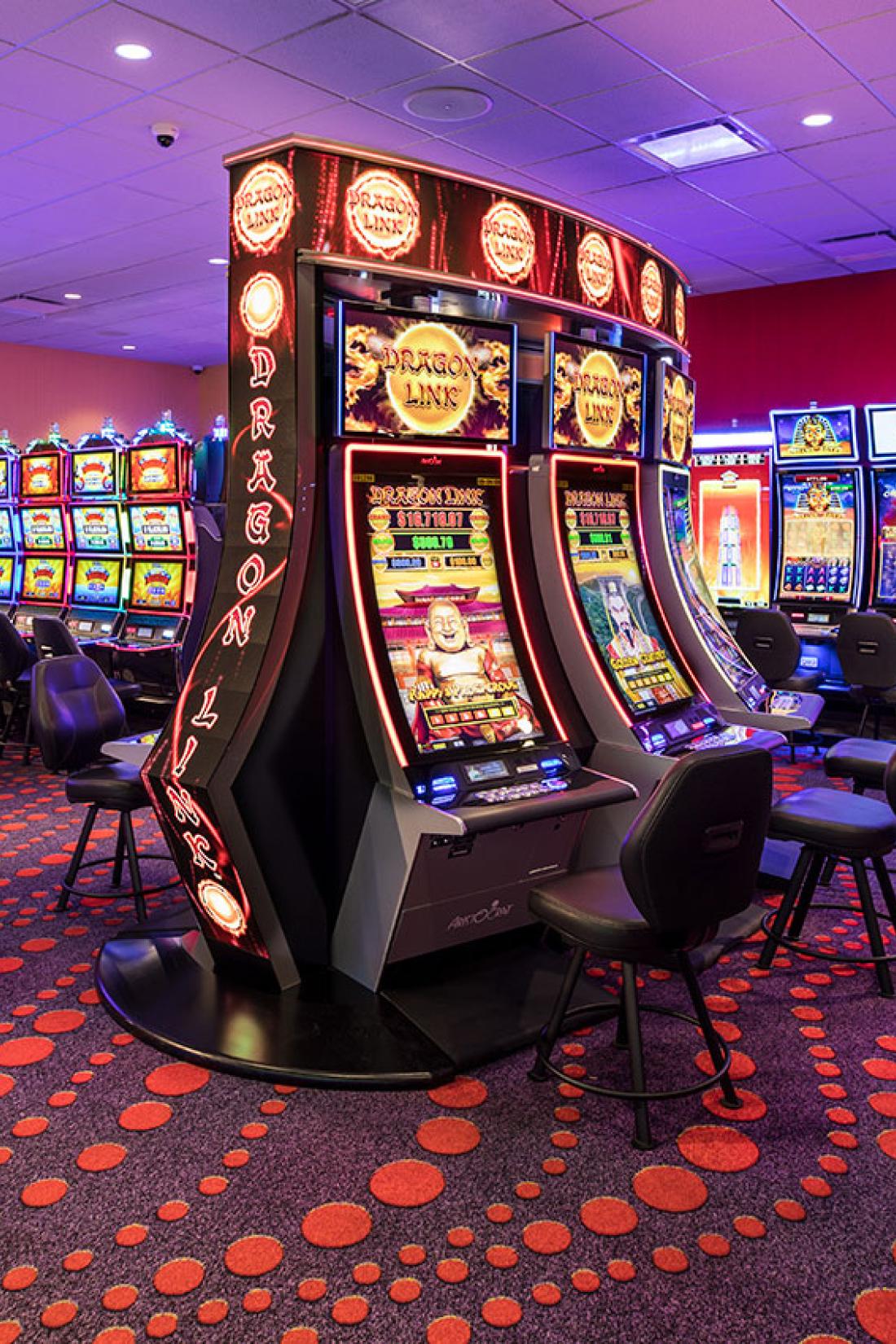
Players are often motivated by various psychological triggers, such as the desire for social interaction, the thrill of risk, and the allure of winning. These factors significantly impact the types of games players prefer and how they engage with them. Games like slots often appeal due to their simplicity and instant gratification, while table games attract those who enjoy strategy and social dynamics.
The Role of Cognitive Biases
Cognitive biases play a significant role in how players perceive odds and make decisions in casinos. The gambler’s fallacy, for instance, leads players to believe that past outcomes can influence future results, despite the random nature of most games. This erroneous belief can motivate players to continue betting, expecting that a win is « due » after a series of losses.
This misjudgment of probability can lead to risky behavior and extended play, which casinos capitalize on. By understanding these biases, players can better navigate their experiences and make more informed choices, potentially leading to a more enjoyable gaming experience and reducing losses.
Player Profiles and Game Selection
Diverse player profiles exist in the casino environment, each with unique preferences and motivations. For instance, some players may be thrill-seekers who gravitate towards high-stakes poker or aggressive slot machines, while others may prefer low-stakes games that encourage longer playtime. Understanding these player types can help casinos tailor their offerings and marketing strategies to enhance player satisfaction.
In addition, demographic factors, such as age, gender, and social background, can influence game selection. Younger players might gravitate towards modern, technology-driven games, while older generations may prefer classic table games. This variance highlights the necessity for casinos to keep their game offerings diverse to cater to the broad spectrum of players.
The Impact of Environment on Player Behavior
The physical and social environment of a casino significantly impacts player behavior and choices. Elements such as layout, lighting, and even the presence of other players create an atmosphere that can enhance or detract from the gaming experience. A bustling and vibrant environment may encourage players to engage more deeply, while a quieter atmosphere might lead to more cautious play.
Furthermore, social dynamics within a casino can play a pivotal role in decision-making. Players may mimic the betting behaviors of those around them or engage in group play, which alters individual choices. This communal aspect of gaming not only affects game selection but also influences overall enjoyment and player retention.

Valuable Resources for Gamers
Understanding the psychological factors behind game choices and player behavior can significantly impact the way individuals approach their casino experiences. For those looking to enhance their understanding, a plethora of resources are available. Whether you are new to gaming or a seasoned player, gaining insight into the underlying motivations and strategies can lead to more enjoyable and responsible play.
Websites dedicated to casinos provide valuable information and support, guiding players in selecting games that align with their preferences and betting styles. Such resources ensure that players can make informed decisions, ultimately enriching their overall gaming experience while promoting responsible gaming habits.